Nature
Discover the rich natural heritage of Western Mani – from endemic plants to diverse wildlife.
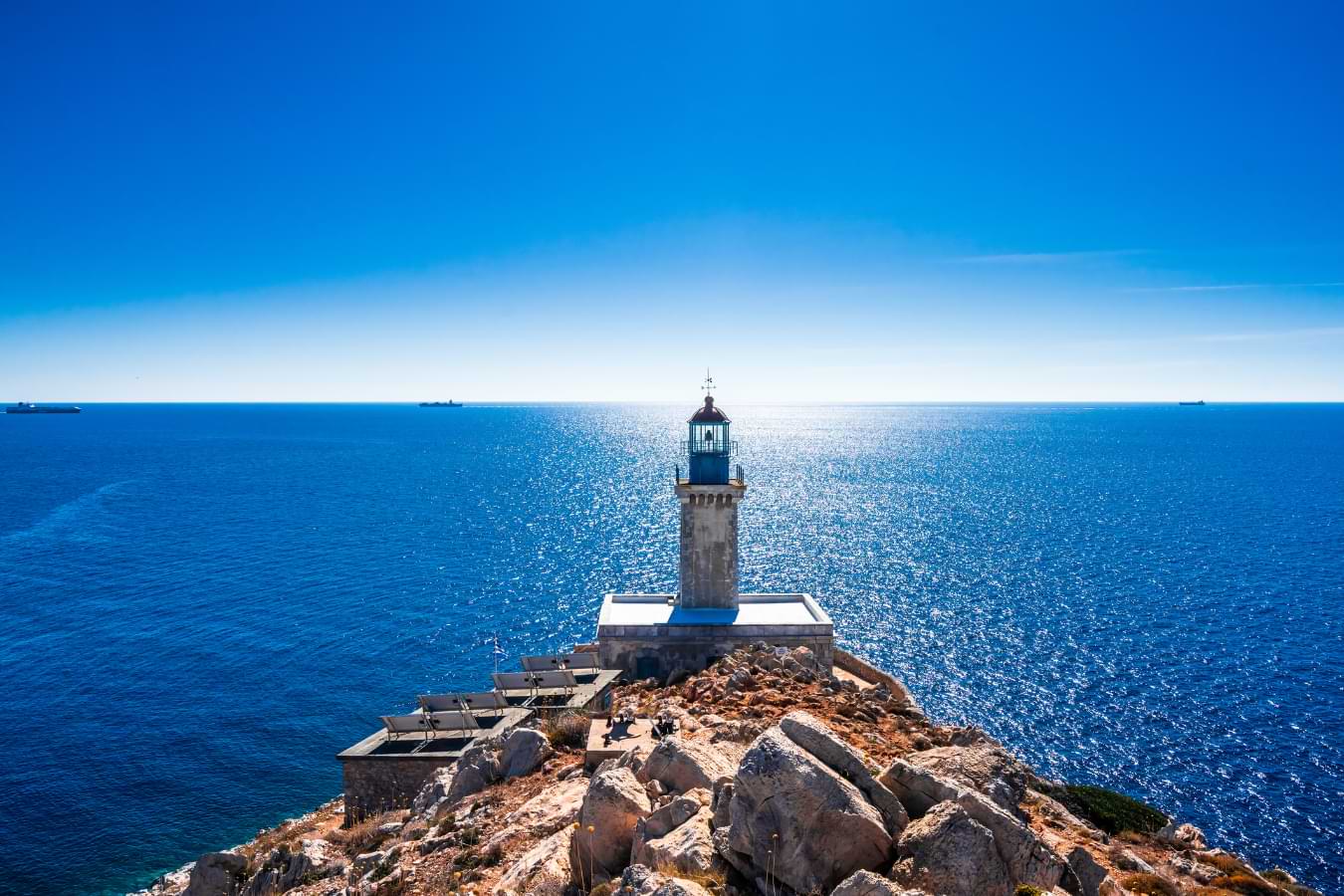
Cape Tainaron
Cape Tainaron (also known as Cape Matapan) is the southernmost point of mainland Greece and continental Europe, a windswept promontory steeped in mythology and history. In ancient times, it was believed to be one of the entrances to Hades, the underworld. The ruins of a temple to Poseidon and a death oracle once stood here, visited by pilgrims seeking to communicate with the dead. Today, visitors can hike to the lighthouse at the cape tip, passing through a landscape of wild beauty where the Ionian and Aegean seas meet.
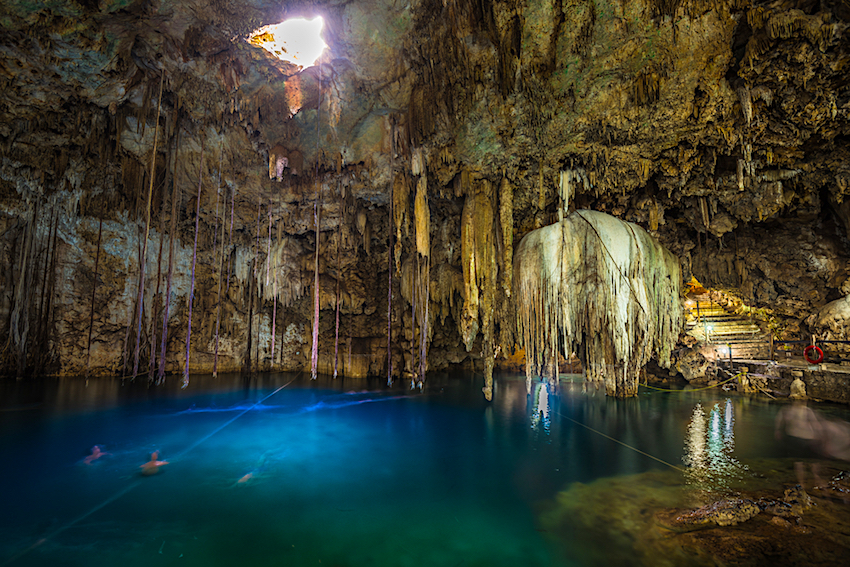
Diros Caves
The Diros Caves are among the most spectacular natural wonders of Greece, featuring an extensive underground river system that visitors explore by boat. The cave complex includes Vlychada (the main tourist cave), Alepotrypa, and Katafygi. Vlychada extends over 14 kilometers, though only 1.5 kilometers are accessible to visitors. The caves are adorned with stunning stalactites, stalagmites, and other formations created over millions of years. Alepotrypa Cave is of immense archaeological importance, having served as a Neolithic settlement and burial site from 6000-3200 BCE.
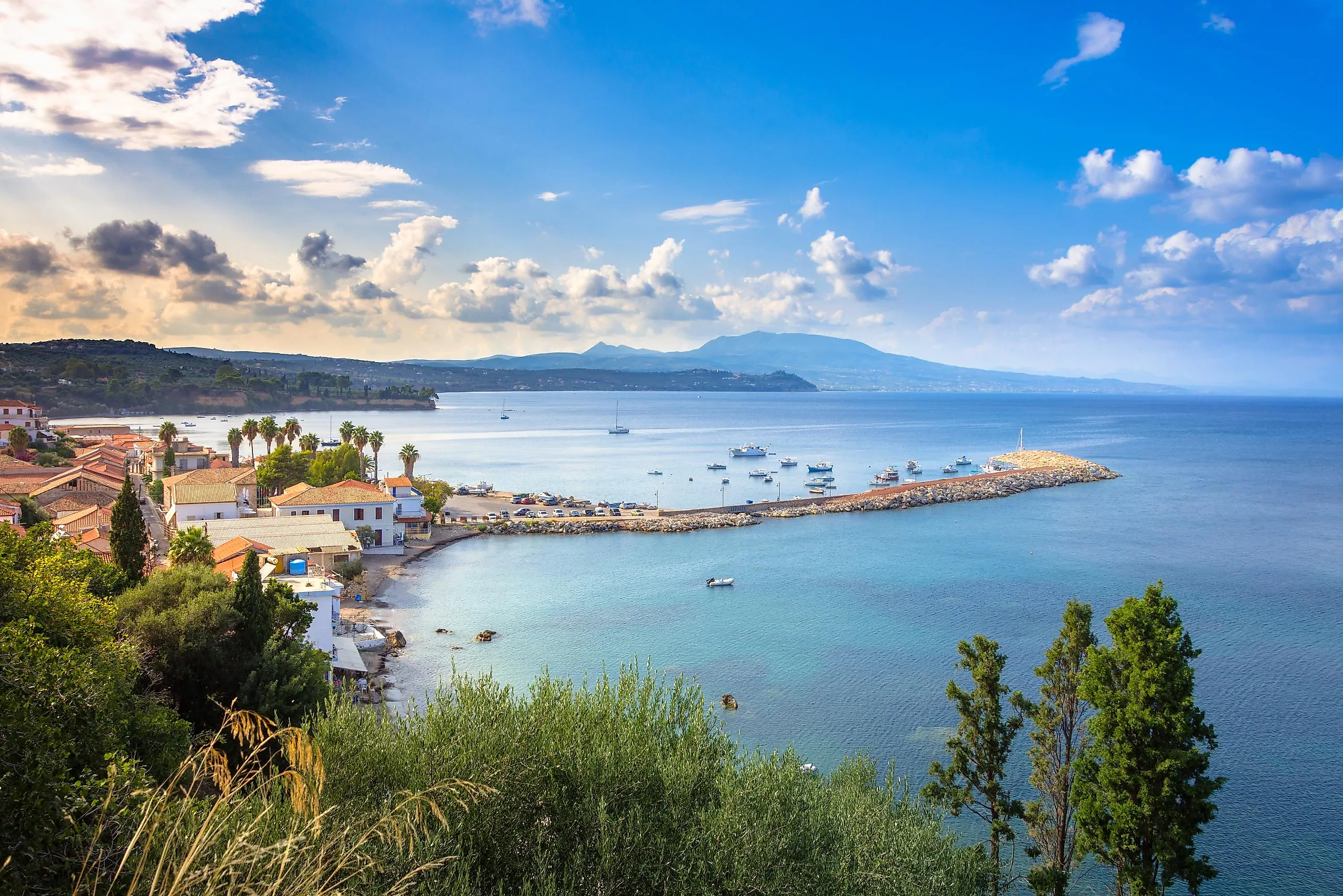
Messenian Gulf
The Messenian Gulf forms the western coastline of the Mani Peninsula, offering some of the clearest waters in the Mediterranean. This deep gulf stretches from Kalamata in the north to Cape Tainaron in the south, with Western Mani occupying its eastern shore. The coastline alternates between dramatic cliffs, hidden coves, and pebble beaches. Villages like Kardamyli, Stoupa, and Agios Nikolaos have developed along this shore. The gulf supports rich marine life including octopus, sea bream, and various species of fish that have sustained local communities for millennia.
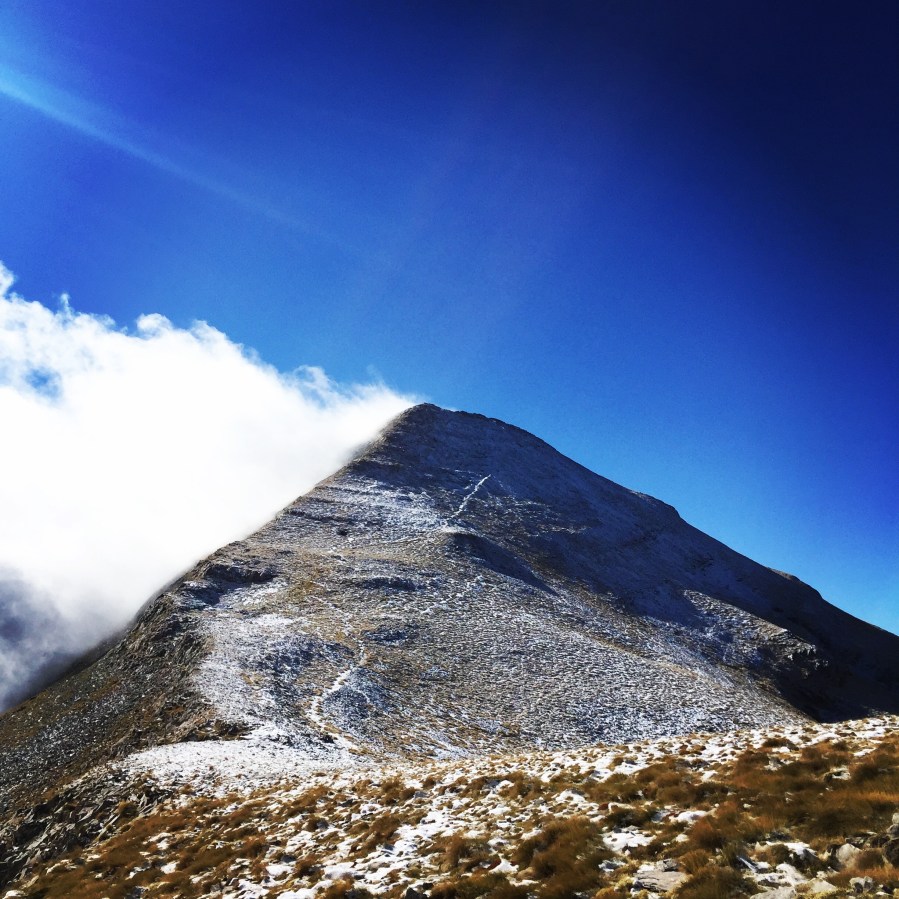
Mount Taygetos
Mount Taygetos is the highest mountain range in the Peloponnese, rising to 2,407 meters at its peak, Profitis Ilias. This dramatic limestone massif forms the natural backbone of the Mani Peninsula, separating Laconia from Messenia. The mountain has been sacred since antiquity, associated with Artemis and Apollo. Its slopes are covered with diverse vegetation zones from Mediterranean maquis at lower elevations to alpine meadows near the summit. The mountain offers exceptional hiking opportunities, including the famous E4 European long-distance path. Traditional villages like Kastania and Langada nestle in its foothills, where coopers once harvested chestnut wood for barrel-making.
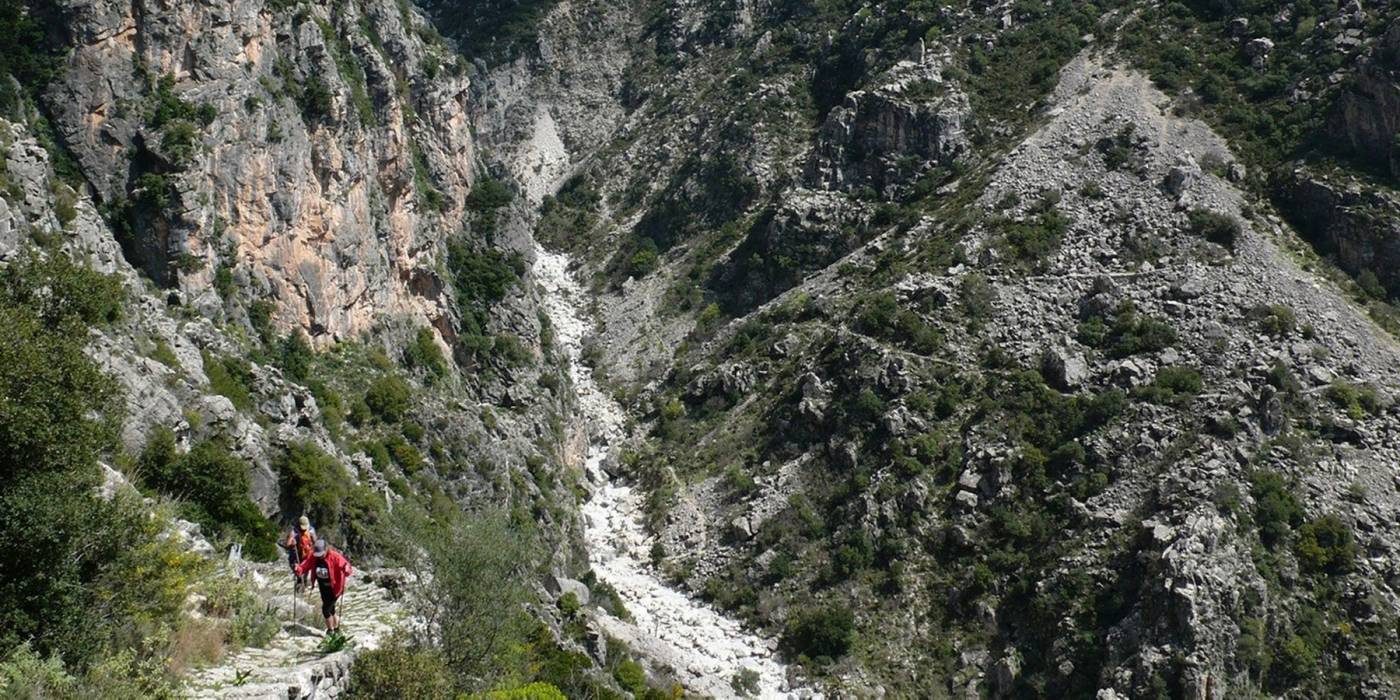
Viros Gorge
The Viros Gorge is one of the most dramatic natural features of Western Mani, a deep canyon that cuts through the foothills of Mount Taygetos near Kardamyli. The gorge stretches approximately 20 kilometers from the village of Exochori to the sea, with walls rising up to 300 meters in places. It serves as a vital wildlife corridor and supports diverse ecosystems including riparian forests, Mediterranean scrubland, and rocky cliff habitats. The gorge is traversed by well-marked hiking trails that connect traditional villages and pass by Byzantine churches, ancient bridges, and abandoned watermills.
Natural Heritage of Mani
The Mani Peninsula is home to a remarkable diversity of plant and animal life. The rugged terrain of Mount Taygetos, combined with the Mediterranean climate and relative isolation, has created unique habitats that support many endemic species found nowhere else in the world.
From the ancient olive groves and aromatic herbs of the lowlands to the alpine meadows and forests of Taygetos, the region offers a living laboratory for understanding Mediterranean ecology and the relationship between humans and nature over millennia.