Nature
Discover the rich natural heritage of Western Mani – from endemic plants to diverse wildlife.
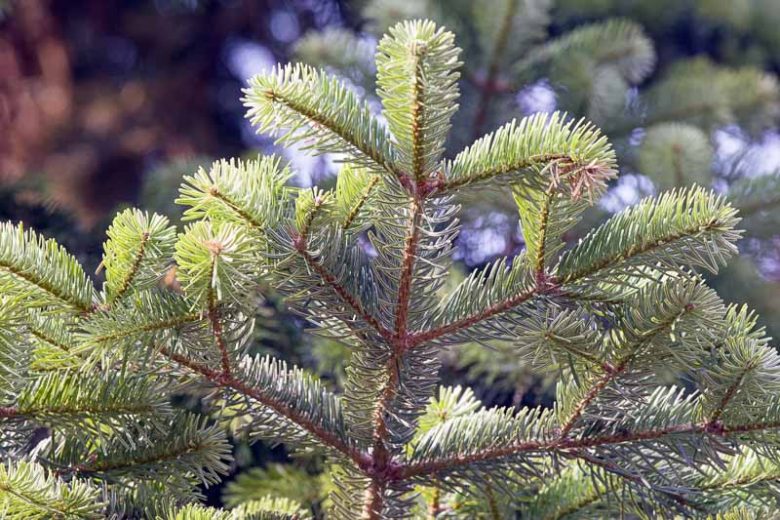
Greek Fir
Abies cephalonica
The Greek fir is endemic to the mountains of Greece, including the higher reaches of Taygetos. These majestic conifers form dense forests above 1,000 meters, providing habitat for diverse wildlife and helping to regulate water flow from the mountains.
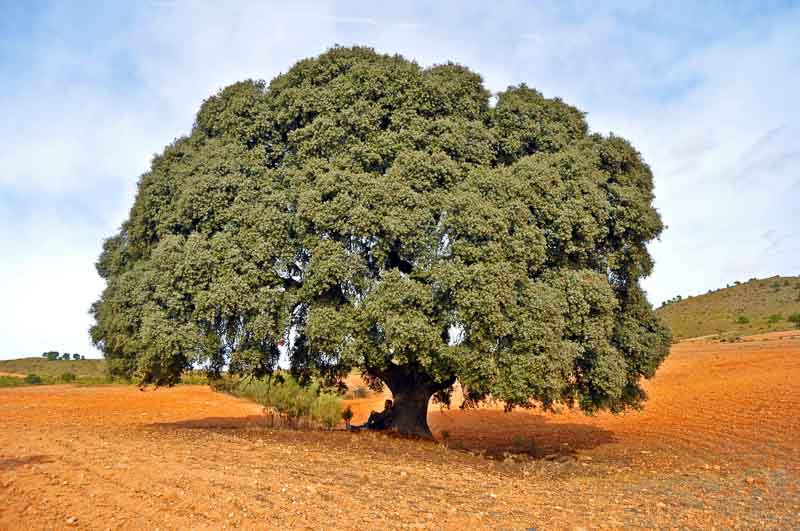
Holm Oak
Quercus ilex
The holm oak is an evergreen oak species common throughout the Mani Peninsula. Its dense, hard wood was used for larger barrels and casks, particularly those intended for olive oil storage. The acorns provided food for pigs and were sometimes ground into flour during times of scarcity.
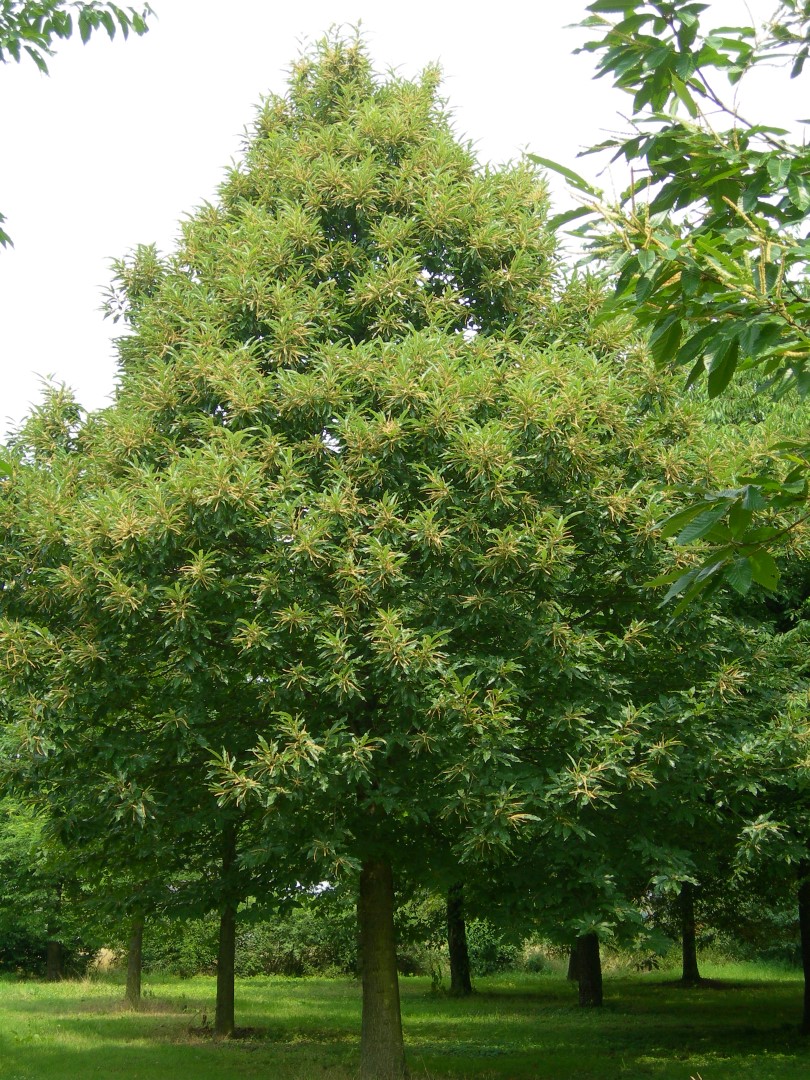
Sweet Chestnut
Castanea sativa
The sweet chestnut is one of the most important trees of the Taygetos forests. Growing at elevations between 600 and 1,200 meters, these magnificent trees provided both food and raw materials for the mountain communities. The chestnuts were a staple food, while the wood was prized for barrel-making and construction.
Natural Heritage of Mani
The Mani Peninsula is home to a remarkable diversity of plant and animal life. The rugged terrain of Mount Taygetos, combined with the Mediterranean climate and relative isolation, has created unique habitats that support many endemic species found nowhere else in the world.
From the ancient olive groves and aromatic herbs of the lowlands to the alpine meadows and forests of Taygetos, the region offers a living laboratory for understanding Mediterranean ecology and the relationship between humans and nature over millennia.